
Chronic joint pain can make even the simplest daily activities feel exhausting. From climbing stairs to getting out of bed, constant discomfort can impact your mobility, confidence, and overall quality of life. Consulting the best orthopaedic doctor in Ahmedabad can be the first step toward regaining comfort, movement, and independence.
While medications, lifestyle changes, and physiotherapy often provide temporary relief, severe joint damage may eventually require a more advanced solution. Total Joint Replacement has helped countless patients restore movement, reduce pain, and return to their daily routines with ease. In this guide, we’ll explain everything you need to know about the procedure, who can benefit from it, and what to expect during recovery.
Table of Contents
ToggleWhat Is Total Joint Replacement?
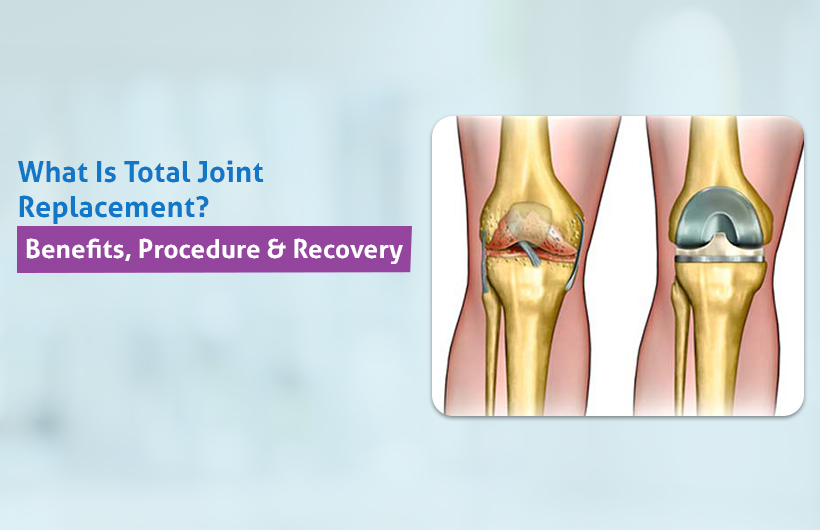
At its core, Total Joint Replacement (also known as arthroplasty) is a surgical procedure where an arthritic or damaged joint surface is removed and replaced with an artificial prosthesis. These prostheses are typically crafted from biocompatible materials like metal, ceramic, or high-grade medical plastic.
Joints Commonly Replaced:
- Knees: The most frequent site for replacement due to weight-bearing stress.
- Hips: Often necessitated by severe osteoarthritis or hip fractures.
- Shoulders: Performed to restore overhead movement and eliminate grinding pain.
The goal of the artificial joint is to replicate the smooth, gliding motion of a healthy human joint, allowing for fluid movement without the “bone-on-bone” friction that causes inflammation.
Who Needs Joint Replacement Surgery?
Surgery is usually recommended when your quality of life is significantly diminished and non-surgical interventions fail. You might be a candidate if you experience:
- Chronic Pain: Persistent pain that keeps you awake at night or hurts even while resting.
- Severe Stiffness: A loss of range of motion that makes it difficult to bend or straighten the limb.
- Degenerative Conditions: Most surgeries are caused by Osteoarthritis, Rheumatoid Arthritis, or post-traumatic injury.
When to consult an orthopedic specialist: If you are limiting your social life or avoiding daily chores because of physical limitations, it is time to seek a professional evaluation.
Benefits of Total Joint Replacement
The primary motivation for Joint Replacement Surgery is to regain your lifestyle. The clinical outcomes for this procedure are among the highest in orthopedics.
- Significant Pain Relief: The most immediate and profound benefit for 90% of patients.
- Restored Mobility: Tasks like driving, walking, and climbing stairs become manageable again.
- Improved Quality of Life: Many patients return to low-impact activities like golf, swimming, or hiking.
- Long-Term Durability: Modern implants are designed to last 15 to 20 years, providing decades of relief.
The Procedure: A Step-by-Step Overview
Understanding the surgical process can help alleviate “pre-surgery jitters.”
Pre-Surgery Preparation
Before the procedure, you will undergo a “medical clearance,” which includes blood tests, an EKG, and a physical exam. Your orthopedic specialist may also suggest “pre-hab” exercises to strengthen the surrounding muscles.
During the Surgery
- Anesthesia: You will receive either general anesthesia or a regional nerve block.
- Resurfacing: The surgeon removes the damaged cartilage and a small amount of bone to create a clean surface.
- Implantation: The artificial components are securely fitted into the bone using specialized bone cement or a “press-fit” technique.
Duration & Hospital Stay
The surgery typically takes 1 to 2 hours. Depending on your health and the complexity of the joint, many patients now qualify for outpatient surgery (going home the same day), while others may stay for 1–2 nights.
Recovery & Rehabilitation Timeline
Recovery is a marathon, not a sprint. While the surgeon performs the technical work, your commitment to rehab determines the success of the outcome.
- Initial Recovery: Most patients return to light daily activities within 3 to 6 weeks.
- Physiotherapy Importance: Physical therapy is the cornerstone of recovery. It helps break down scar tissue and restores muscle memory.
- Dos and Don’ts:
- Do: Use your walker or cane exactly as instructed by your therapist.
- Don’t: Sit for more than 45 minutes at a time; movement is vital to prevent blood clots.
Risks & Complications
While Total Joint Replacement has a high success rate, it is a major surgery. Potential risks include:
- Infection at the incision site.
- Blood clots (DVT).
- Implant loosening or dislocation.
To minimize these risks, surgeons use sterile “space suits” during surgery, prescribe blood thinners, and provide post-operative antibiotics.
Tips for a Faster Recovery
To speed up your healing process and get back on your feet faster, focus on these three pillars:
- Anti-Inflammatory Diet: Eat a diet rich in Vitamin C, Zinc, and Lean Protein to aid tissue repair.
- Home Preparation: Remove “trip hazards” like area rugs and install a raised toilet seat before your surgery date.
- Consistency: Follow your home exercise program every day—even on days when you feel tired.
Move Better, Live Better with Expert Orthopaedic Care
Ready to Move Without Pain? Don’t let joint pain control your life any longer. If persistent knee, hip, or shoulder pain is limiting your mobility and daily activities, it’s time to seek expert care. Dr. Hardik Padhiyar, a highly trusted Orthopaedic Surgeon in Ahmedabad, specializes in advanced Total Joint Replacement procedures that help patients regain comfort, flexibility, and independence. With modern surgical techniques and personalized treatment plans, Dr. Hardik Padhiyar focuses on faster recovery and long-term relief from arthritis and chronic joint conditions. Take the first step toward a healthier, pain-free, and more active lifestyle with expert guidance from an experienced Orthopaedic Surgeon in Ahmedabad.