

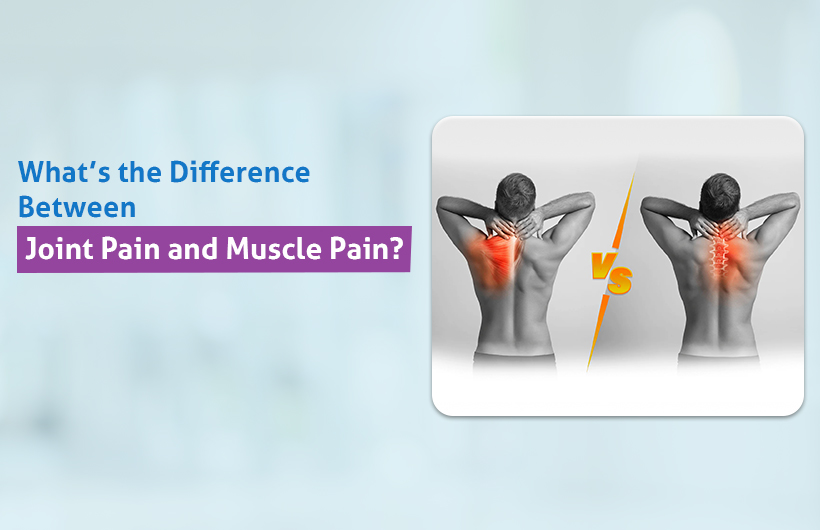
When people experience body pain, one common confusion is whether it comes from the joints or the muscles. Joint pain vs muscle pain may feel similar at first, but they have different causes, symptoms, and treatments. In simple terms, joint pain affects the areas where bones meet, while muscle pain affects the soft tissues that help movement. Understanding the difference helps you choose the right treatment and avoid long-term problems.
In this guide, Dr. Hardik Padhiyar, a Best Orthopedic Doctor in Ahmedabad, explains how to identify each type of pain and what you should do next.
Table of Contents
ToggleWhat Is the Difference Between Joint Pain and Muscle Pain?
The key difference lies in location, behavior, and underlying cause.
- Joint pain occurs in areas like knees, shoulders, hips, and elbows where two bones meet. It is often linked to conditions like arthritis, injury, or inflammation.
- Muscle pain (myalgia) affects muscles and soft tissues and is usually caused by strain, overuse, or minor injuries.
Simple Comparison
| Feature | Joint Pain | Muscle Pain |
| Location | Joints (knees, hips, fingers) | Muscles (arms, back, legs) |
| Nature of pain | Deep, aching, stiff | Sore, tight, cramping |
| When it occurs | Even at rest | Usually during movement |
| Common causes | Arthritis, injury, inflammation | Overuse, strain, stress |
One important difference is that joint pain may persist even when you are resting, while muscle pain often improves with rest.
What Are the Symptoms and Causes of Joint Pain vs Muscle Pain?
Understanding symptoms helps you quickly identify the type of pain and take appropriate action.
Joint Pain: Symptoms and Causes
Common Symptoms:
- Stiffness, especially in the morning
- Swelling or redness around the joint
- Difficulty moving the joint
- Clicking or grinding sounds
- Reduced flexibility
Joint pain may feel like a deep ache or burning sensation, and in severe cases, it can affect daily activities.
Common Causes:
- Arthritis (osteoarthritis or rheumatoid arthritis)
- Injuries like sprains or fractures
- Gout (uric acid buildup)
- Tendinitis or bursitis
- Infections or inflammation
Joint pain often develops gradually, especially in older adults, due to the wear and tear of cartilage.
Muscle Pain: Symptoms and Causes
Common Symptoms:
- Muscle soreness or tenderness
- Tightness or stiffness
- Muscle spasms or cramps
- Pain during movement
- Weaknesses in the affected area
Muscle pain is often localised and easier to pinpoint compared to joint pain.
Common Causes:
- Muscle strain or overuse
- Exercise-related injuries
- Poor posture
- Stress or tension
- Viral infections like the flu
- Nutritional deficiencies
Unlike joint pain, muscle pain is usually temporary and improves with rest and basic care.
How Are Joint Pain and Muscle Pain Treated?
Treatment depends on the cause, severity, and duration of pain. Correct diagnosis is very important, which is why consulting an expert like Dr. Hardik Padhiyar is recommended if pain persists.
Treatment for Joint Pain
- Rest and activity modification to reduce stress on joints
- Hot or cold therapy for swelling and stiffness
- Medications like pain relievers or anti-inflammatory drugs
- Physiotherapy to improve movement
- Weight management to reduce joint pressure
- Advanced treatments like injections or surgery (in severe cases)
In chronic conditions like arthritis, long-term management is required rather than a quick fix.
Treatment for Muscle Pain
- Rest and gentle stretching
- Massage therapy to relax muscles
- Hot or cold compress
- Hydration and proper nutrition
- Pain relief medications if needed
- Physical therapy for recurring pain
Muscle pain usually heals faster, especially if treated early and properly.
When Should You See a doctor?
Many people tend to ignore body pain, hoping it will resolve on its own. However, some symptoms shouldn’t be overlooked and may require prompt medical attention:
- Pain that lasts more than a few days
- Severe swelling or redness
- Difficulty walking or moving
- Joint deformity or instability
- Pain accompanied by fever or unexplained weight loss
If you notice any of these signs, it’s best to consult an orthopaedic surgeon near you for proper evaluation, accurate diagnosis, and the right treatment plan.
Final Thoughts: Joint Pain vs Muscle Pain
- Joint pain is deeper, long-lasting, and often linked to medical conditions like arthritis.
- Muscle pain is usually temporary and caused by strain or overuse.
Both conditions may feel similar but require different treatments.
Ignoring pain or self-medicating can make the problem worse. Early diagnosis and the right treatment plan can help you recover faster and prevent complications.
If you are uncertain about your symptoms, it’s always wise to seek expert advice. Consulting the Best Orthopaedic Surgeon Ahmedabad, such as Dr. Hardik Padhiyar, ensures accurate diagnosis and personalized care. With the right guidance, you can effectively manage pain and return to a healthy, active lifestyle.