

Going to the gym is one of the best things you can do for your health. But what happens when the gym puts you in pain instead? If you are dealing with a nagging shoulder, a swollen knee, or a lower back that just will not settle, this post is for you.
As someone who sees many cases of gym injury treatment in Ahmedabad, I can tell you one thing clearly: most gym injuries that turn serious start small. The patient ignored it, pushed through it, and came to see me weeks later when the damage was far worse. If you are searching for an orthopedic doctor in Ahmedabad because something does not feel right after your workout, trust that instinct.
Here are the most common gym injuries that genuinely need orthopedic attention.
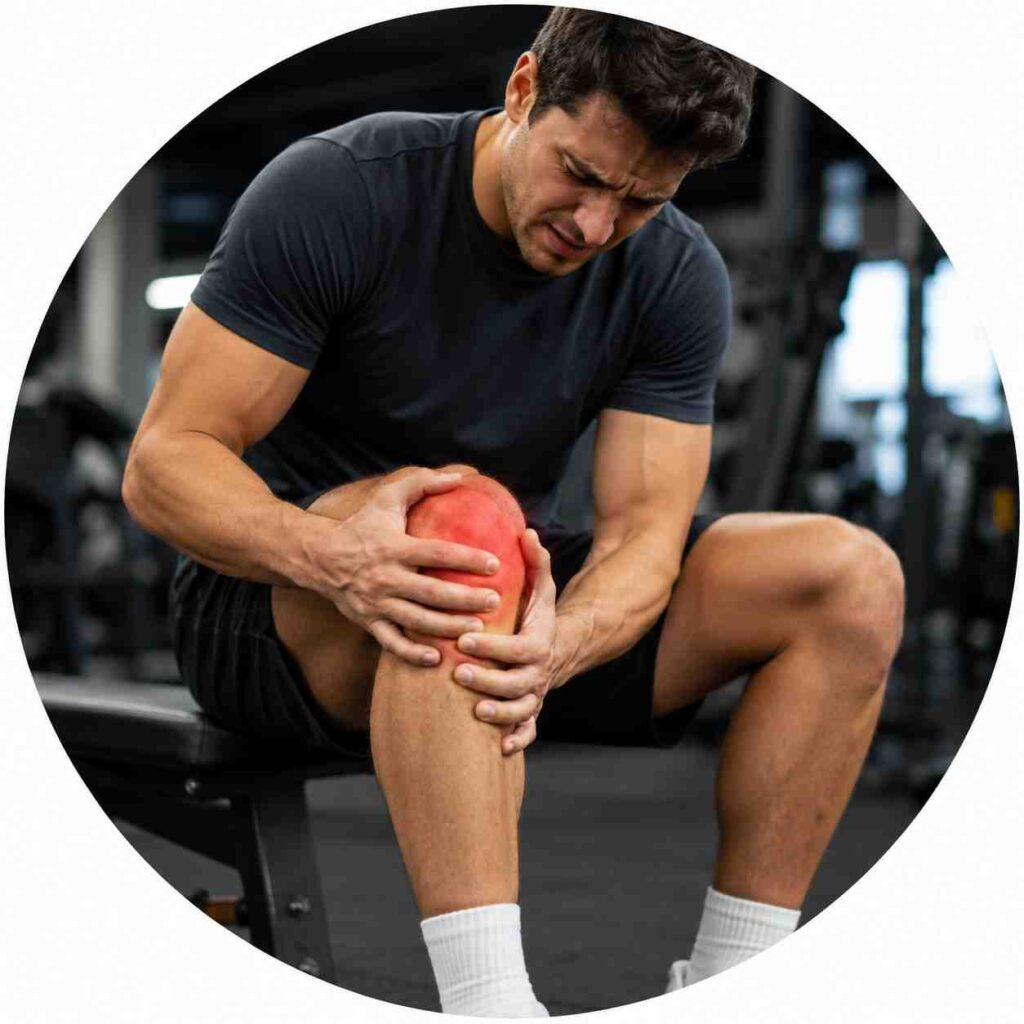
1. Knee Pain That Won’t Go Away After Leg Day
Squats, lunges, and leg presses are great until they are not. Knee pain after leg training is very common. But not all knee pain is “just DOMS” (delayed onset muscle soreness).
You need to see an orthopedic doctor if you notice:
- Sharp pain during or after exercise (not just muscle fatigue)
- Swelling around the knee joint
- A popping or clicking sensation during movement
- Pain that returns every session and gets worse over time
These signs can lead to a meniscus tear, ligament strain, or early cartilage damage. To understand the difference, you can read more about ACL tears vs meniscus tears, two of the most confused gym-related knee injuries.
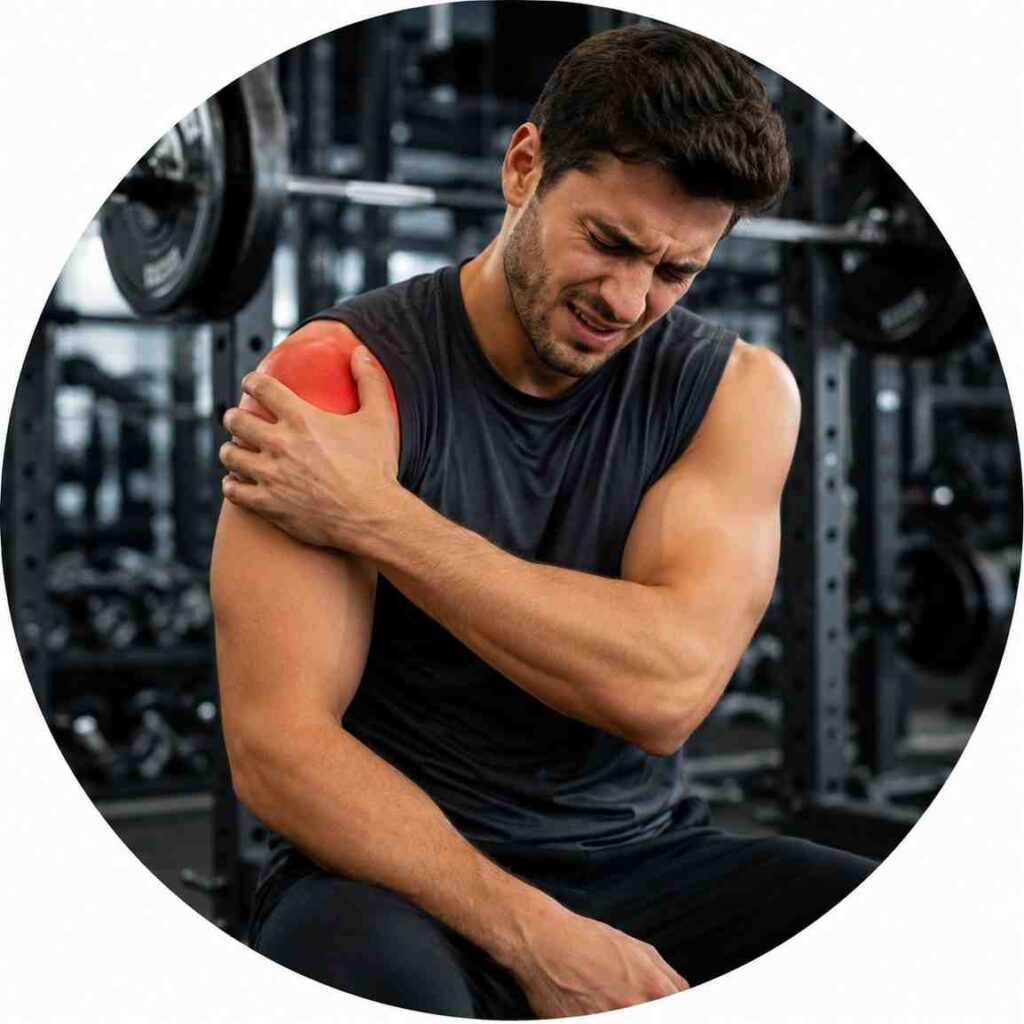
2. Shoulder Injuries from Overhead Lifts
Overhead press, pull-ups, and bench press all load the shoulder heavily. The rotator cuff, a group of four muscles that stabilize the shoulder, is especially vulnerable.
If you feel:
- Deep aching pain in the shoulder, especially at night
- Weaknesses when lifting your arm above your head
- Pain radiating down the arm
- A catching or locking sensation in the joint
…then you may have a rotator cuff strain, shoulder impingement, or early labrum damage. These do not heal with rest alone. Ignoring them leads to partial or full tears, which often require surgery.
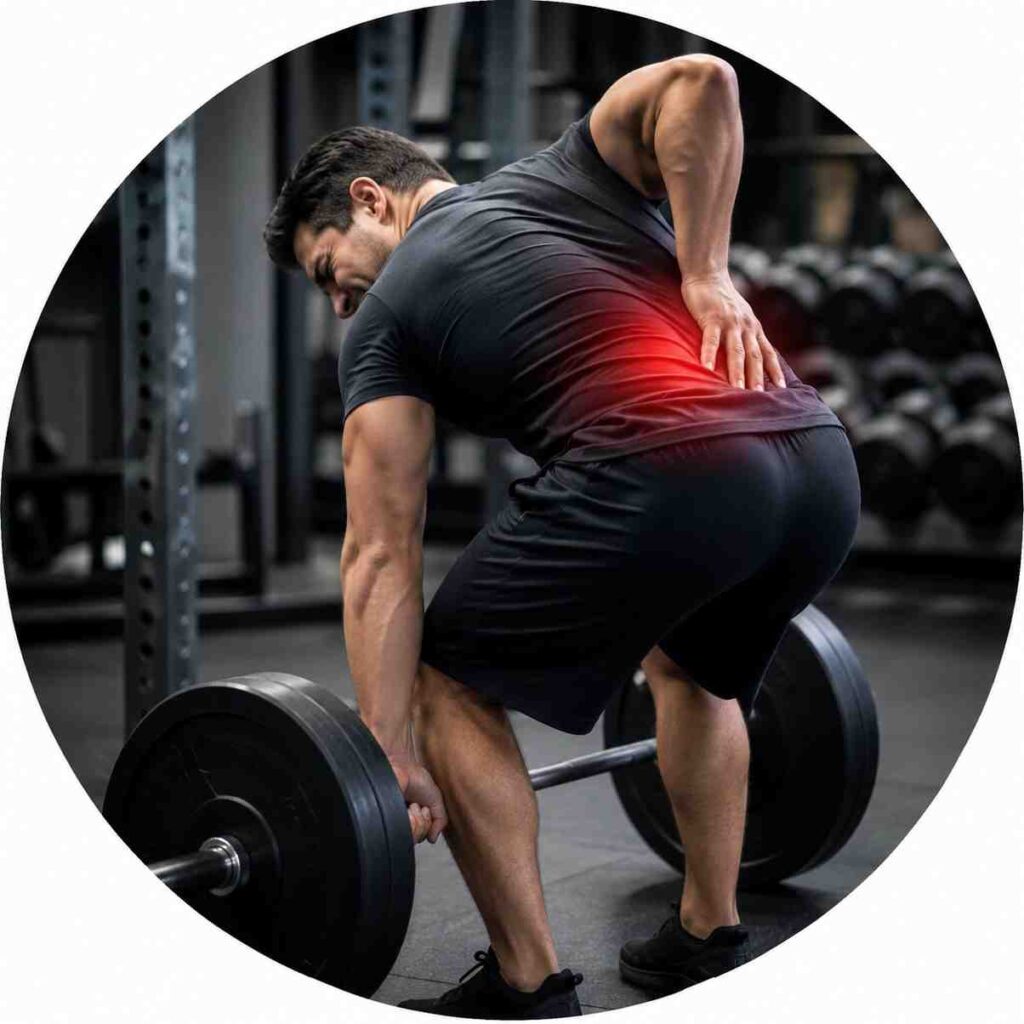
3. Lower Back Pain from Deadlifts or Heavy Lifting
Lower back pain is one of the most common complaints I hear from gym-goers in Ahmedabad. A little muscle soreness after deadlifts is normal. But structural back pain is a very different thing.
See a specialist if you experience:
- Pain that shoots down the leg (sciatica symptoms)
- Stiffness that lasts more than 3–4 days
- Pain that gets worse when you sit or stand for long periods
- Numbness or tingling in the legs or feet
These symptoms often indicate a herniated disc or compressed nerve root. The sooner you get an MRI and a proper diagnosis, the better your options, both surgical and non-surgical.
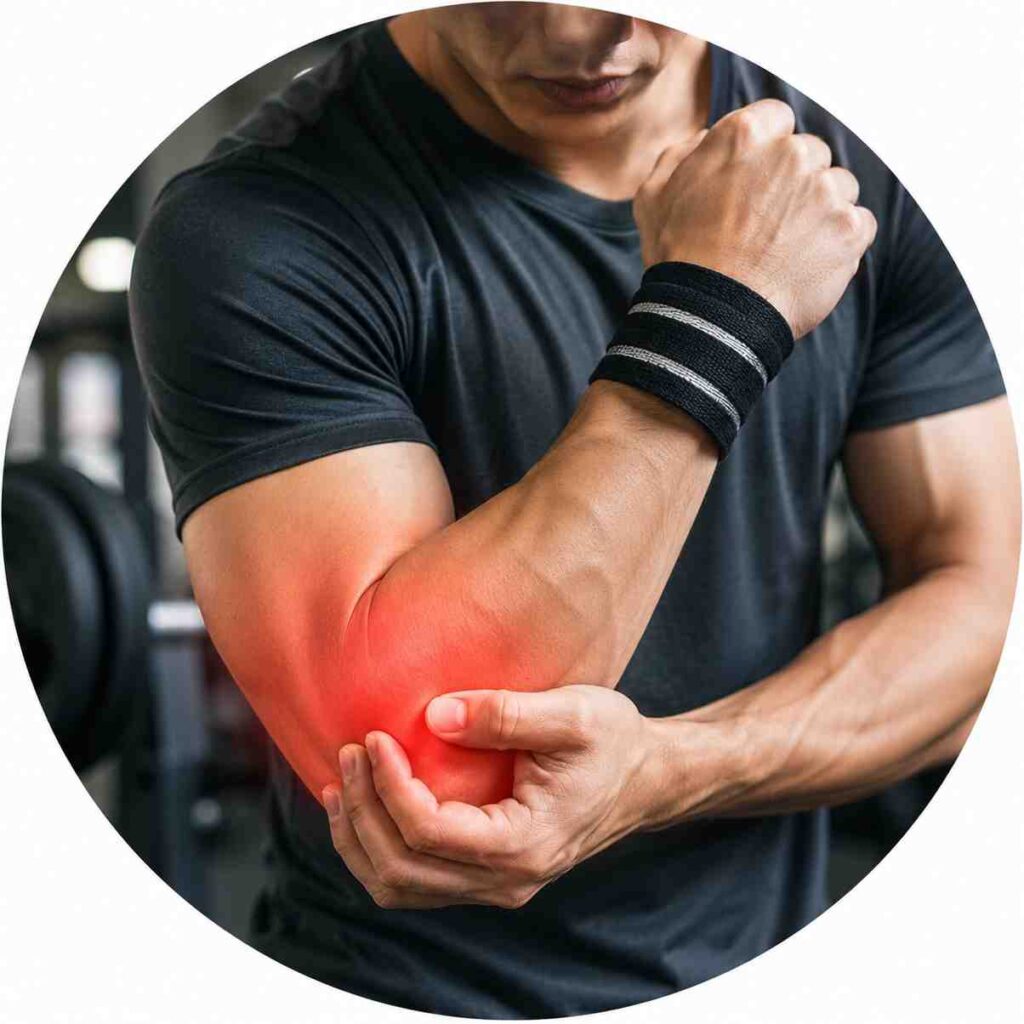
4. Wrist or Elbow Pain from Weightlifting
Tennis elbow, golfer’s elbow, and wrist tendinitis are increasingly common in gym-goers, not just in racket sport players. Repetitive gripping, pulling, and pressing movements place constant strain on the tendons of the elbow and wrist.
Early signs include:
- Pain on the outer or inner side of the elbow
- Weak grip strength
- Pain when shaking hands or twisting a door handle
If these symptoms persist beyond two weeks, it is time to get assessed. An orthopedic evaluation helps rule out tendon tears and guides whether you need physiotherapy, injections, or a short period of immobilization.
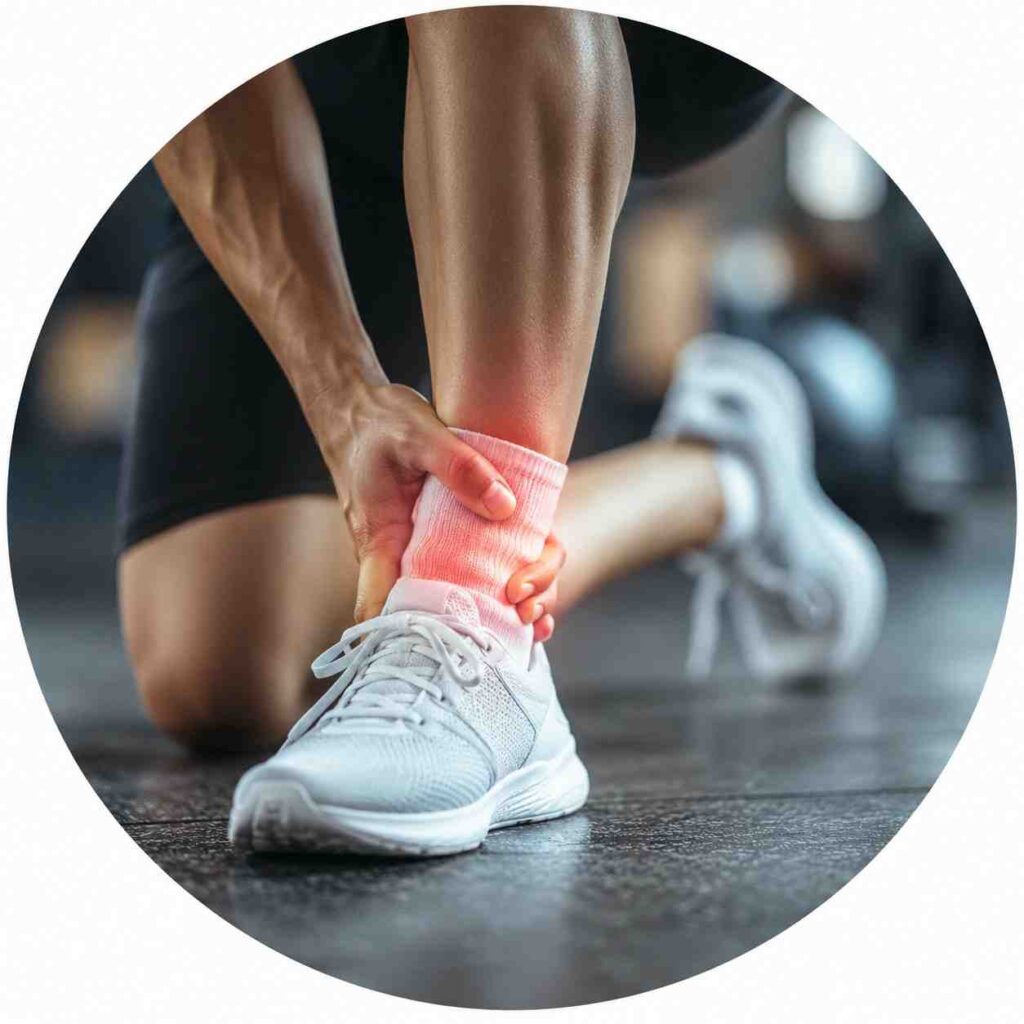
5. Ankle Sprains from Plyometrics or Cardio
Box jumps, HIIT circuits, and treadmill workouts can put significant stress on the ankle. An ankle sprain that is not properly treated is one of the leading causes of chronic ankle instability, meaning repeated sprains, long-term weakness, and restricted mobility.
If your ankle sprains:
- Caused immediate and severe swelling
- Is too painful to bear weight on
- Has not improved significantly after 5–7 days of rest
- Has happened more than once at the same spot
…get it checked. A missed ligament tear or small fracture caught early heals completely. Left untreated, it does not.
When Should You Actually See an Orthopedic Doctor?
A good rule: if the pain changes how you move, it needs to be evaluated. You do not have to wait for it to become unbearable.
I work with Dr. Hardik Padhiyar, a specialist in arthroscopic and sports injury procedures at CIMS Hospital and AB Plus Hospital in Ahmedabad. Most gym injuries that come in early can be managed without surgery through physiotherapy, bracing, targeted injections, or a structured rest protocol.
You can also read about common sports injuries and their treatment to get a better idea of what different injuries involve before your visit.
If you are in Ahmedabad and dealing with a gym injury that is not settling, do not wait. Early evaluation saves time, money, and mobility. Book an appointment with Dr. Hardik Padhiyar, or simply WhatsApp us to describe your symptoms, and we will guide you on the right next step.
Whether you train near SG Highway, Thaltej, or anywhere across Ahmedabad, the right orthopedic care is close by. Do not let a gym injury become a long-term problem. The best knee doctor in Ahmedabad and sports injury specialists can assess your condition and get you back to training safely.
Frequently Asked Questions
Q: Can I continue going to the gym with a minor gym injury?
A: It depends on the injury. Mild muscle soreness is fine to train through with modifications. But joint pain, swelling, or nerve symptoms are signs to stop and get assessed. Continuing to train can convert a minor injury into a major one.
Q: How do I know if my gym injury is a muscle strain or something more serious?
A: Muscle strains typically resolve within 3–5 days with rest and ice. If pain persists beyond a week, involves a joint (knee, shoulder, ankle), or is accompanied by swelling and restricted movement, it is likely more than a strain.
Q: Is surgery always needed for gym injuries?
A: No. Most gym injuries, even ligament tears and rotator cuff strains, can be managed non-surgically if caught early. Surgery is typically a last resort when conservative treatment fails or when there is a complete structural tear.
Q: Which gym injuries are most seen by orthopedic doctors in Ahmedabad?
A: Knee injuries (ACL, meniscus), shoulder rotator cuff strains, lower back disc problems, and ankle sprains are the most common presentations we see from gym-goers.
Q: How long does recovery from a gym injury take?
A: It varies widely from 2–3 weeks for a mild sprain to 6–9 months for a complete ligament reconstruction. Early diagnosis and proper rehabilitation significantly shorten recovery time.