
Sports and fitness activities play a vital role in maintaining overall physical and mental well-being. However, intense workouts, improper training techniques, and sudden impacts can often result in injuries that affect performance and daily life. Consulting an experienced Orthopaedic Doctor in Ahmedabad can help in the early diagnosis and effective treatment of sports-related injuries, ensuring a faster and safer recovery.
In this blog, we’ll discuss the different types of sports injuries, their common causes, symptoms, and the most effective treatment options to help athletes and fitness enthusiasts stay active and injury-free.
Table of Contents
ToggleWhat Are Sports Injuries?
Sports injuries are injuries that occur during exercise, sports, or physical activities. They can affect muscles, bones, ligaments, tendons, and joints. Some injuries develop suddenly due to trauma, while others occur gradually because of overuse.
Both professional athletes and beginners are at risk of experiencing sports injuries if proper precautions are not followed.
Common Types of Sports Injuries
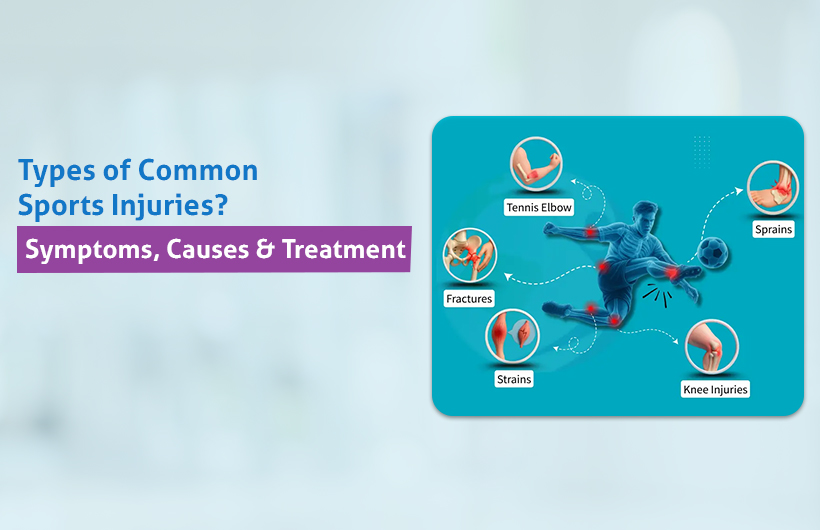
Sports injuries can happen suddenly during physical activity or develop gradually from repeated stress on the body. Some of the most common sports injuries include:
Bone fractures:
A strong impact from a fall, collision, or awkward movement can crack or break a bone. Repeated stress over time may also lead to stress fractures or growth plate injuries.
Bursitis:
This repetitive strain injury affects the bursae — small fluid-filled sacs that cushion bones, muscles, and tendons. Inflammation in these areas can cause pain and limited movement.
Concussions:
A concussion is a type of brain injury caused by a blow to the head, making the brain move inside the skull. Contact sports are a common cause of concussions.
Contusions (bruises):
Bruises occur when blood vessels under the skin are damaged. While most bruises are minor, deeper muscle or bone contusions can be more serious.
Joint dislocations:
A dislocation happens when a bone is forced out of its normal position in a joint. Shoulder dislocations are especially common in sports.
Muscle strains:
Strains occur when muscles are stretched beyond their limits, causing small or severe tears. Mild strains heal quickly, while severe ones may require longer recovery.
Sprains:
A sprain involves stretched or torn ligaments, the tissues that connect bones and stabilize joints. Sprains can range from mild to severe.
Tendinitis:
Repetitive movements over time can irritate and inflame tendons — the tissues connecting muscles to bones — leading to tendinitis.
Which Body Parts Are Most Commonly Injured in Sports?
Sports place significant stress on joints, muscles, and connective tissues, making certain body parts more vulnerable to injury than others.
Achilles Tendon
The Achilles tendon connects the calf muscles to the heel bone. Excessive strain can result in Achilles tendinitis or even a tendon rupture.
Ankle Joint
The ankle contains multiple joints, ligaments, tendons, and bones that are frequently stressed during movement. Common injuries include ankle sprains and fractures.
Elbow Joint
Repetitive arm movements in sports can lead to overuse injuries in the elbow. Conditions such as tennis elbow, golfer’s elbow, and elbow bursitis are common examples.
Head
According to the CDC, fewer than 20% of sports injuries involve the head. These injuries can range from minor nosebleeds and dental injuries to more serious concussions.
Knee Joint
The knee is one of the most injured joints in sports, with athletes frequently experiencing ligament injuries such as PCL vs ACL injuries, along with conditions like runner’s knee and jumper’s knee.
Leg Muscles
Muscle strains in the legs are very common, especially hamstring injuries and groin pulls. Runners may also develop shin splints, which affect the tissues surrounding the shin bone.
Shoulder Joint
The shoulder is highly flexible but also vulnerable to injury. Rotator cuff tears and tendinitis — often referred to as swimmer’s shoulder — are common, along with shoulder fractures and dislocations.
Sports Injury Causes
Understanding Sports Injury Causes is important for prevention. The most common causes include:
Overtraining
Exercising too intensely without proper rest increases injury risk.
Poor Technique
Incorrect posture or sports techniques can place excessive stress on muscles and joints.
Lack of Warm-Up
Skipping warm-up and stretching routines reduces muscle flexibility.
Improper Equipment
Using worn-out shoes or unsuitable protective gear can lead to injuries.
Accidents and Collisions
Physical contact and falls during sports are major injury triggers.
Muscle Weakness
Weak muscles fail to support joints properly during movement.
Sports Injuries Symptoms and Treatment
Recognizing Sports Injuries Symptoms and Treatment early can prevent complications.
Common Symptoms of Sports Injuries
- Pain and tenderness
- Swelling
- Bruising
- Reduced mobility
- Weakness
- Stiffness
- Instability in joints
General Treatment for Sports Injuries
R.I.C.E Method
The R.I.C.E method is often the first step in managing sports injuries:
- Rest: Avoid activities that worsen the injury
- Ice: Apply ice packs for 15–20 minutes
- Compression: Use elastic bandages to reduce swelling
- Elevation: Raise the injured area above heart level
Medical Treatment Options
Depending on the severity of the injury, doctors may recommend:
- Physical therapy
- Pain-relief medications
- Braces or supports
- Steroid injections
- Surgery for severe injuries
How to Prevent Common Sports Injuries
Prevention is always better than treatment. Here are practical tips to avoid injuries:
- Warm up before exercise
- Stretch regularly
- Use proper sports gear
- Maintain correct posture and technique
- Stay hydrated
- Avoid overtraining
- Strengthen muscles through conditioning exercises
When to See a doctor
Seek medical attention if:
- Pain is severe
- Swelling does not improve
- You cannot bear weight
- There is numbness or instability
- Symptoms persist for several days
Consult an Orthopaedic Surgery specialist near you early timely diagnosis can prevent long-term damage and help speed up recovery.
Final Thoughts
Sports injuries are common among athletes and fitness enthusiasts, but with the right precautions and timely care, many can be prevented and effectively treated. Understanding the different types of sports injuries, their causes, symptoms, and treatment options is essential for maintaining an active and healthy lifestyle.
By following safe training practices, using proper equipment, and seeking expert medical attention when needed, you can reduce the risk of injuries and improve recovery outcomes. If you are looking for the Best Orthopedic Surgeon in Ahmedabad, consulting an experienced specialist can help you receive accurate diagnosis, advanced treatment, and personalized rehabilitation for a faster and safer return to your activities.