
Joint pain and injuries can significantly affect your everyday life, making even simple movements uncomfortable. When treatments like medication, physiotherapy, or rest fail to provide relief, arthroscopic surgery is often recommended as an advanced and effective solution. It is a modern orthopedic procedure designed to diagnose and treat joint problems while causing minimal damage to surrounding tissues.
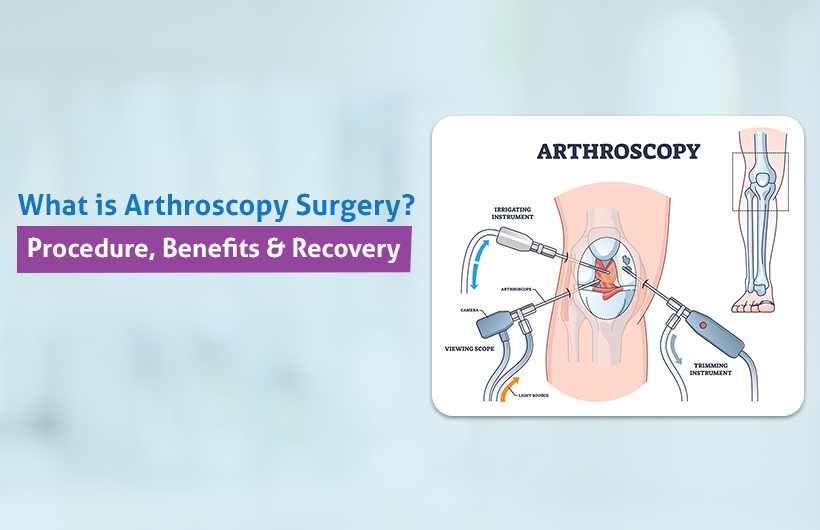
Arthroscopy is a minimally invasive technique in which a surgeon inserts a small camera, known as an arthroscope, into the joint through a tiny incision. The camera displays detailed images on a monitor, allowing the surgeon to examine the joint and perform precise treatments using specialized instruments.
Because of its accuracy and smaller incisions, arthroscopy usually leads to less pain, reduced scarring, and faster recovery compared to traditional open surgery—making it a preferred option recommended by the Best Orthopedic Doctor in Ahmedabad.
Table of Contents
ToggleWhat is Arthroscopy Surgery, and When is it Recommended?
Arthroscopy Surgery is a minimally invasive procedure used to diagnose and treat problems inside a joint, such as the knee, shoulder, ankle, elbow, or wrist. During the procedure, a small camera attached to a thin tube is inserted into the joint to provide a clear view of the internal structures.
Doctors may recommend arthroscopy when a patient experiences persistent joint pain, swelling, stiffness, or limited movement that does not improve with conservative treatments.
Common conditions treated with arthroscopy include:
- Torn ligaments (such as ACL injuries)
- Meniscus tears in the knee
- Cartilage damage
- Shoulder impingement or rotator cuff injuries
- Loose bone or cartilage fragments
- Joint inflammation or early arthritis
Arthroscopy helps surgeons both diagnose the exact cause of joint pain and treat the problem in the same procedure, making it an effective option for many orthopedic conditions.
According to Dr Hardik Padhiyar, arthroscopy is widely used in orthopedic practice because it allows precise treatment while minimising trauma to the surrounding tissues.
How is the Arthroscopy Surgery Procedure Performed?
The Arthroscopy Surgery Procedure involves several carefully planned steps to examine and treat the affected joint.
Preparation and Anaesthesia
Before the surgery begins, the patient may receive local, regional, or general anaesthesia depending on the joint and the complexity of the procedure. This ensures that the patient remains comfortable and pain-free during surgery.
Small Incisions
The surgeon makes one or more tiny incisions (usually less than half an inch). Through one of these openings, the arthroscope is inserted into the joint.
Viewing the Joint
The arthroscope contains a camera and light source that send magnified images of the joint to a monitor. This allows the surgeon to carefully examine ligaments, cartilage, and other structures.
Surgical Repair
If damage is found, the surgeon inserts thin surgical instruments through additional small incisions. These tools are used to:
- Repair torn ligaments
- Removed damaged cartilage
- Smooth rough joint surfaces
- Remove loose fragments
- Correct joint abnormalities
Closing the Incisions
Once the procedure is complete, the instruments are removed, and the small incisions are closed using stitches or adhesive strips.
The entire procedure may take 30 minutes to 2 hours, depending on the complexity of the joint condition.
Experienced orthopedic surgeons like Dr Hardik Padhiyar use advanced arthroscopic techniques to treat joint injuries effectively while reducing surgical trauma.
What are the Benefits of Arthroscopy Surgery?
One of the biggest reasons arthroscopies are widely used today is the range of benefits it offers compared to traditional open surgery.
1. Minimally Invasive Procedure
Arthroscopy requires only small incisions, which means less damage to muscles and tissues surrounding the joint.
2. Faster Recovery
Because the surgery is less invasive, patients usually recover faster and can return to daily activities sooner.
3. Less Pain and Scarring
Smaller incisions result in less postoperative pain and minimal scarring.
4. Lower Risk of Complications
Compared with traditional surgery, arthroscopy has a lower risk of infection, blood loss, and complications.
5. Accurate Diagnosis and Treatment
The camera allows surgeons to clearly view the inside of the joint, helping them identify problems that may not be visible on X-rays or scans.
6. Same-Day Discharge
In many cases, arthroscopy is performed as an outpatient procedure, meaning patients can go home the same day.
Because of these advantages, arthroscopy has become one of the most performed procedures for joint injuries and sports-related problems.
What is the Recovery Process After Arthroscopy Surgery?
Recovery from Arthroscopy Surgery is usually quicker than recovery from traditional open joint surgery.
Immediate Recovery
After the procedure, patients are moved to a recovery room until the anaesthesia wears off. Some mild swelling, stiffness, or discomfort may occur during the first few days.
Doctors may recommend:
- Resting the joint
- Applying ice packs
- Elevating the affected limb
- Taking prescribed pain medications
Support and Mobility
Depending on the joint treatment, patients may need:
- Crutches
- A brace or sling
- Temporary activity restrictions
Physical Therapy
Physical therapy is an important part of recovery. Gentle exercises help strengthen the muscles, restore joint mobility, and prevent stiffness.
Healing Time
- Small surgical wounds usually heal within 1–2 weeks.
- Light activities can often resume within a few days.
- Full recovery may take several weeks to a few months, depending on the type of repair performed.
Following your doctor’s rehabilitation plan is essential for achieving the best outcome after surgery.
As Dr Hardik Padhiyar explains, proper post-surgery care and physiotherapy play a crucial role in restoring joint strength and long-term mobility.
When Should You Consult an Orthopedic Specialist?
You should consider consulting an orthopaedic surgeon near you if you experience:
- Persistent joint pain
- Swelling or stiffness in a joint
- Difficulty bending or moving a joint
- Frequent joint injuries
- Limited mobility affecting daily life
Early diagnosis and treatment can prevent further joint damage and help restore normal movement.
Conclusion
Arthroscopy Treatment has transformed the way joint conditions are diagnosed and treated, offering a minimally invasive solution with faster recovery and reduced discomfort. With advanced technology and precision techniques, patients can now return to their daily activities sooner while minimizing the risks associated with traditional surgery.
If you’re dealing with ongoing joint pain, stiffness, or mobility issues, seeking timely care is essential. Consulting the Best Orthopedic Surgeon in Ahmedabad, such as Dr Hardik Padhiyar, can help you receive an accurate diagnosis and personalized treatment plan. With the right expertise and care, you can take a confident step toward improved joint health and a more active, pain-free life.