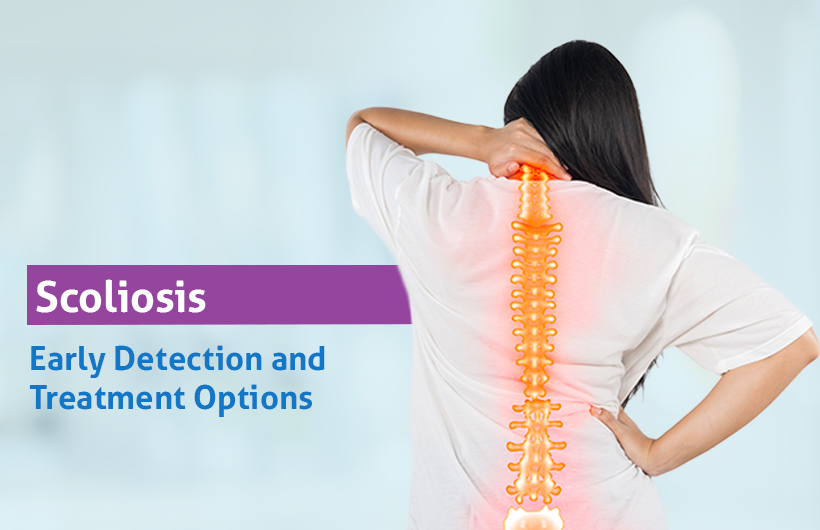
Scoliosis is a condition where the spine curves sideways instead of being straight. It may form an “S” or “C” shape, depending on how the spine bends. While it can affect anyone, it’s most seen in children and teenagers who are still growing. The word “scoliosis” may sound alarming, but with early detection and the right treatment, most people can lead completely normal lives.
As Dr. Hardik Padhiyar, a pediatric orthopaedic doctor in Ahmedabad, often meets parents who worry when they notice posture changes in their children. It’s important to understand that scoliosis is treatable, especially when caught early. Let’s explore what scoliosis is, how to recognise it, and what treatment options are available.
Table of Contents
ToggleWhat is Scoliosis and how can you recognise it?
Scoliosis means an abnormal sideways curve in the spine. Normally, when viewed from the back, the spine should appear straight. But in scoliosis, it bends slightly or significantly to one side. This curvature can affect the balance of the shoulders, hips, and posture.
The cause of scoliosis isn’t always clear. In most cases, it’s known as idiopathic scoliosis, which means the exact cause is unknown. However, it can also be caused by conditions such as cerebral palsy, muscular dystrophy, spinal injuries, or birth defects.
Common Signs of Scoliosis
Here are a few common signs parents or patients might notice:
- One shoulder appears higher than the other.
- The waist or hips look uneven.
- When bending forward, one side of the back or rib cage seems more prominent.
- Clothes don’t fit evenly or hang crooked.
- The head may not appear centred above the pelvis.
- The body may seem to lean slightly to one side.
Sometimes, children may also complain of mild back pain or discomfort. In most mild cases, scoliosis does not cause pain, which is why it can go unnoticed until the curve becomes more visible.
Why early detection matters
Early detection of scoliosis plays a huge role in successful treatment. If the curvature is identified early, the progression of the curve can be controlled through non-surgical methods like bracing or exercises. But if left untreated, it may worsen as the child grows, leading to visible deformity, posture issues, or even breathing problems in severe cases.
Dr Hardik Padhiyar always advises parents to look out for these early signs and visit a specialist if they notice anything unusual. Regular screening during growth years can help detect scoliosis before it causes long-term issues.
How is scoliosis treated?
Treatment for scoliosis depends on several factors, such as the patient’s age, the degree of curvature, and whether the curve is worsening. The main goal of treatment is to prevent the curve from progressing and to maintain proper spinal alignment.
1. Observation
For very mild cases, treatment may not be needed immediately. Instead, the doctor monitors the spine’s curve through regular check-ups and X-rays. This helps to see if the curve is stable or getting worse. Observation is common for children who are still growing and have mild scoliosis.
2. Bracing
Bracing is the most common non-surgical treatment for children and teens whose bones are still growing. A brace does not correct the existing curve, but it helps prevent it from worsening. The success of bracing depends on how early it’s started and how consistently it’s worn.
There are different types of braces, such as the underarm brace (TLSO) or the Milwaukee brace. The choice of brace depends on the location and severity of the curve. While wearing a brace might feel uncomfortable at first, most children adjust quickly and can continue their daily activities normally.
3. Physical therapy and exercises
Exercise and physical therapy play a supportive role in scoliosis treatment. Specific exercises can strengthen the back, improve posture, and help balance the muscles around the spine.
Common therapies include:
- Core strengthening exercises to support the spine.
- Stretching to reduce stiffness.
- Postural training to improve balance and alignment.
Although exercises alone cannot stop scoliosis from progressing, they are valuable for maintaining flexibility, muscle strength, and comfort.
4. Surgical treatment
Surgery is considered only when scoliosis is severe (usually more than 40–50 degrees) or when the curve keeps worsening despite other treatments. The most common surgical method is spinal fusion, where the curved vertebrae are fused using rods, screws, or bone grafts. This helps straighten and stabilise the spine.
Today’s surgical techniques are advanced and much safer than before. They provide excellent results with shorter hospital stays and faster recovery times. As a back pain specialist in Ahmedabad, he ensures patients understand every aspect of treatment, including risks, benefits, and expected outcomes, before deciding on surgery.
Why early detection improves treatment results
When scoliosis is found early, it opens more treatment options. Mild curves can be managed with observation and physical therapy, and moderate curves can often be treated with bracing, avoiding surgery altogether.
Delayed diagnosis, on the other hand, can make treatment more complex. The curve may become stiffer and more difficult to correct. Early detection helps in maintaining proper growth and alignment while preventing complications.
In children, scoliosis can progress quickly during growth spurts. That’s why periodic check-ups during school-age years are important, especially if the family has a history of spinal conditions.
What should you do if you suspect scoliosis?
If you suspect scoliosis in yourself or your child, don’t ignore it. Taking early steps can make a big difference.
Here’s what you should do:
- Look for signs: Observe posture, shoulder height, and back symmetry.
- Consult a specialist: Visit a pediatric orthopedic doctor or spine expert for a detailed examination.
- Get imaging done: X-rays help confirm the diagnosis and measure the curve’s angle.
- Discuss treatment options: Talk to your doctor about all available treatments, from braces to exercises or surgery.
- Follow the plan: Stick to the recommended routine for the best results.
- Schedule regular check-ups: Even after treatment, follow-up visits help monitor progress and prevent future issues.
As Dr. Hardik Padhiyar tells his patients that scoliosis doesn’t mean you have to stop living your normal life. With regular care, proper posture, and a healthy lifestyle, you can manage the condition effectively.
Living confidently with scoliosis
Many children and adults with scoliosis lead active, fulfilling lives. Regular physical activity, stretching, and good posture habits are important for overall back health. Avoiding heavy lifting and maintaining a balanced diet rich in calcium and vitamin D can also support bone health.
Support from family and friends plays a big role, too. Children may feel self-conscious about wearing a brace, but encouragement helps them stay consistent with treatment. Remember, most cases of scoliosis are mild and manageable with early care.
If you’re searching for an orthopedic hospital near you, choose one with experience in pediatric spine care. A specialist who understands scoliosis can guide you through every stage from diagnosis to recovery with confidence.
Final thoughts
Scoliosis may sound serious, but it’s not something to fear. The key lies in early detection and timely treatment. Modern techniques make it easier than ever to manage scoliosis effectively.
Whether your child has a mild curve or a more advanced one, don’t delay consulting an expert. With proper guidance, you can ensure a healthy spine and confident posture.
As a pediatric orthopedic doctor in Ahmedabad, Dr. Hardik Padhiyar, dedicated to helping children and adults overcome scoliosis with personalised care. His goal is to ensure every patient gets the right diagnosis, the right treatment, and the right support.
If you notice uneven shoulders, back pain, or posture issues, don’t wait to get it checked. Early action can prevent complications later in life.
Remember, your spine supports you every day. Take care of it early, and it will take care of you for life.