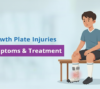
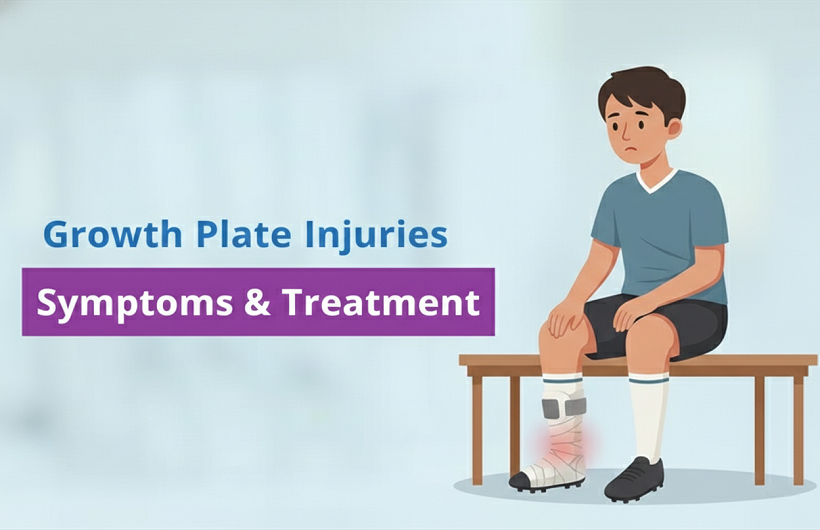
Growth plate injuries are common in children and teenagers, especially those who are active in sports. Growth plates are soft areas of tissue located at the ends of long bones. These plates help bones grow in length. Since they are softer than fully developed bones, they are more likely to get injured.
If you or your child experiences symptoms of a growth plate injury, it’s important to consult an experienced sports injury doctor in Ahmedabad Dr. Hardik Padhiyar, to get proper evaluation and care.
Table of Contents
ToggleWhat Are Growth Plate Injuries and What Causes Them?
Growth plate injuries happen when there is damage to the developing tissue near a joint. These injuries are most common in the wrist, ankle, knee, and shoulder.
Common causes include:
- Falls during play
- Sports accidents
- Sudden twisting of a joint
- Direct blows during contact sports
- Repetitive stress from running or jumping
Children who play football, cricket, basketball, gymnastics, or athletics are at higher risk. Sometimes the pain may feel like shin splints, but the discomfort in growth plate injuries is usually closer to the joint and does not improve easily with rest.
Because children’s bones are still developing, even minor injuries should not be ignored. If your child complains of persistent joint pain, consult an ortho doctor near you for proper evaluation.
What Are the Symptoms of Growth Plate Injuries?
The symptoms can vary depending on the severity of the injury. However, some common signs include:
1. Pain Near a Joint
Pain is usually felt at the end of a long bone, such as near the knee or ankle. It may get worse with activity.
2. Swelling and Tenderness
The injured area may look swollen and feel painful when touched.
3. Difficulty Moving the Limb
Your child may have trouble walking, lifting an arm, or putting weight on the injured leg.
4. Limping
If the injury is in the leg, the child may limp or avoid standing.
5. Persistent Pain
Unlike normal muscle soreness or shin splints, growth plate injuries often cause pain that does not go away with simple rest.
If these symptoms last more than a few days, it is important to see an ortho doctor in Ahmedabad for proper diagnosis.
How Are Growth Plate Injuries Diagnosed and Treated?
Diagnosis begins with a detailed history and physical examination. The doctor will check for swelling, tenderness, and movement limitations. X-rays are usually done to check for fractures or alignment issues. In some cases, an MRI may be recommended if the injury is not clearly visible.
Treatment depends on the type and severity of the injury.
Rest and Immobilisation
Mild growth plate injuries are treated with rest and temporary restriction from sports. A splint or cast may be used to protect the bone while it heals.
Ice and Elevation
Applying ice and keeping the limb elevated can help reduce swelling and pain.
Medications
Pain-relieving medicines may be advised under medical supervision.
Surgery (Rare Cases)
In severe cases where the bone is displaced, surgery may be required to properly align the growth plate and prevent future growth problems.
Most growth plate injuries heal well when treated early. However, ignoring the pain and continuing sports activity can lead to long-term complications like uneven bone growth or joint deformity.
That is why timely consultation with a specialist like Dr. Hardik Padhiyar is crucial. As an experienced orthopaedic expert, Dr. Hardik Padhiyar carefully evaluates young patients and provides personalised treatment plans to ensure safe recovery. If needed, he also guides rehabilitation to help children return to sports gradually and safely.
Parents should seek medical help immediately if:
- The pain is severe
- There is a visible deformity
- The child cannot bear weight
- Swelling does not improve
- Pain affects daily activities
Early care by a qualified sports injury doctor in Ahmedabad can prevent serious complications and protect your child’s long-term bone health.
Conclusion
Growth plate injuries are a serious concern in physically active children and adolescents. Recognising the symptoms, such as pain near joints, swelling, limited motion, or persistent discomfort, is the first step toward effective treatment. Although many injuries heal well with rest and proper care, some may require immobilisation or even surgery.
If you suspect a growth plate injury, don’t wait. Visit an ortho doctor in Ahmedabad for accurate diagnosis and personalised treatment advice. With the right care, your child can recover fully and return to enjoying sports and activities safely. Dr. Hardik Padhiyar and his team are experienced in managing these injuries and helping young athletes get back on track. Your child’s bone health and future mobility are worth early and expert attention.