
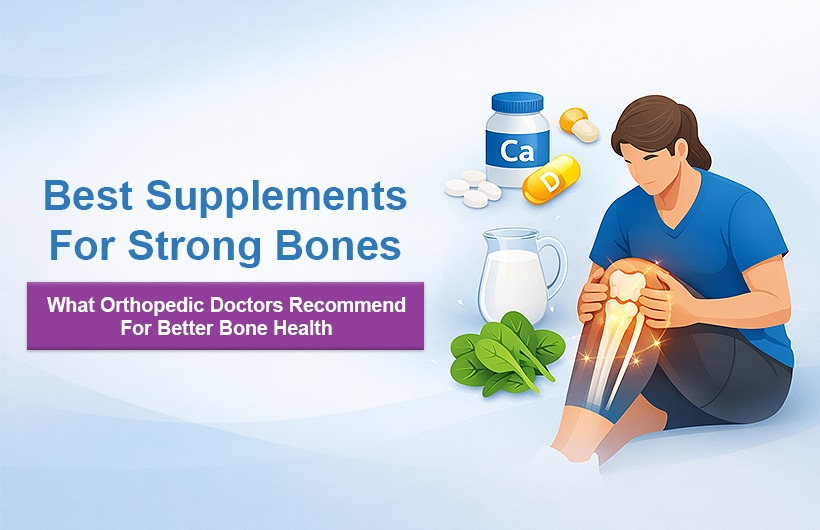
Strong bones are the foundation of an active and pain-free life. However, as we age, bone density naturally decreases, increasing the risk of fractures, osteoporosis, and joint pain. Because of this, many people begin looking for the best supplements and lifestyle habits that can help maintain bone strength and overall mobility.
According to experts and an experienced Orthopedic Doctor in Ahmedabad, choosing the right supplements along with a balanced diet and healthy lifestyle can play a vital role in improving bone health and preventing future orthopaedic problems. Understanding what specialists recommend can help you take better care of your bones and support long-term joint health.
Table of Contents
ToggleWhat Are the Best Supplements for Strong Bones?
Bones are active, dynamic tissues that continuously go through a natural process of breakdown and renewal to maintain their strength and structure. To support this process, your body needs specific nutrients. Here are the most recommended supplements for better bone health:
1. Calcium
Calcium is the most important mineral for bone strength. Nearly 99% of the calcium present in our body is found in the bones and teeth, where it plays a crucial role in maintaining their strength and structure. If you don’t get enough calcium from your diet, your body takes it from your bones, making them weak over time.
Who needs it?
Women above 40
Post-menopausal women
Elderly individuals
People with low dairy intake
Most adults need around 1000–1200 mg of calcium daily, depending on age and gender.
2. Vitamin D
Vitamin D helps your body absorb calcium properly. Without enough vitamin D, calcium supplements may not work effectively. In India, vitamin D deficiency is very common due to limited sun exposure and lifestyle changes.
Benefits:
- Improves calcium absorption
- Reduces risk of fractures
- Supports muscle strength
An experienced Orthopedic Doctor in Ahmedabad, like Dr. Hardik Padhiyar, often checks vitamin D levels before recommending supplements.
3. Magnesium
Magnesium plays a key role in converting vitamin D into its active form. It also contributes to bone structure and density.
Low magnesium levels may:
- Affects bone formation
- Increase risk of osteoporosis
- Cause muscle cramps
Including magnesium in your supplement plan can improve overall bone metabolism.
4. Vitamin K2
Vitamin K2 helps direct calcium into bones instead of allowing it to deposit in arteries. This improves bone density and supports heart health.
It works best when taken along with calcium and vitamin D.
5. Collagen Supplements
Collagen is a protein that forms a large part of your bone structure. With aging, collagen production reduces, leading to weaker bones and joint pain.
Collagen supplements:
- Improve bone flexibility
- Support joint health
- Reduce stiffness
At a reputed Orthopedic Hospital in Ahmedabad, patients with joint pain are often guided about collagen and other supportive nutrients as part of their overall treatment plan.
Who Should Consider Taking Bone Supplements?
Not everyone needs supplements. Some people can meet their nutritional requirements through dieting alone. However, certain groups are at higher risk of weak bones.
You may need supplements if you:
- Are above 40 years of age
- Have a family history of osteoporosis
- Have suffered a fracture from a minor fall
- Experience frequent joint pain
- Have a vitamin D deficiency
- Are post-menopausal
- Follow a strict vegetarian or vegan diet
If you are unsure, consult a Bone specialist doctor near you for proper evaluation. Bone density tests and blood reports can help determine the right supplement dosage.
Can Supplements Alone Make Your Bones Strong?
Supplements are helpful, but they are not a magic solution. Strong bones require a combination of nutrition, exercise, and healthy habits.
Here’s what orthopedic experts usually recommend:
1. Weight-Bearing Exercises
Activities like walking, climbing stairs, yoga, and light strength training stimulate bone formation.
2. Protein-Rich Diet
Protein is essential for bone repair and strength. Including pulses, paneer, eggs, nuts, and seeds in your diet.
3. Sun Exposure
Spending 15–20 minutes in sunlight daily helps your body naturally produce vitamin D.
4. Avoid Smoking and Excess Alcohol
Both habits can gradually make bones weaker and interfere with the body’s ability to properly absorb and use calcium.
Dr. Hardik Padhiyar emphasises that supplements should always be part of a complete bone care plan, not a replacement for healthy living.
How to Choose the Right Bone Supplement?
With so many products available in the market, choosing the right supplement can be confusing. Here are some simple tips:
- Check the calcium type (calcium citrate is often easier to absorb)
- Ensure vitamin D is included
- Look for magnesium and vitamin K2 for better effectiveness
- Avoid overdosing without medical advice
- Always consult a specialist before long-term use
Self-medication can sometimes cause side effects like kidney stones or digestive discomfort. That’s why it’s important to seek professional guidance from a qualified orthopedic expert.
When Should You See an Orthopedic Doctor?
You should consult an orthopedic doctor if you experience:
- Frequent back pain
- Sudden fractures
- Height loss over time
- Persistent knee or hip pain
- Difficulty walking
An early diagnosis can prevent serious complications later. Visiting a trusted Best Orthopedic Surgeon in Ahmedabad ensures proper evaluation, bone density testing, and personalised treatment planning.
At a well-equipped Orthopedic Hospital in Ahmedabad, patients can undergo advanced diagnostic tests and receive comprehensive bone care under expert supervision.
Final Thoughts
Strong bones are essential for maintaining independence and an active lifestyle. Taking the best supplements for strong bones, such as calcium, vitamin D, magnesium, vitamin K2, and collagen, can significantly improve bone strength when combined with a proper diet and exercise.
However, supplements should always be taken under medical supervision. Every individual’s body and bone health needs are different. A personalised plan is the safest and most effective approach.
Dr. Hardik Padhiyar advises patients not to ignore early signs of bone weakness and to focus on prevention rather than waiting for fractures to occur. With the right guidance, proper nutrition, and timely medical support, you can maintain strong and healthy bones for years to come.