
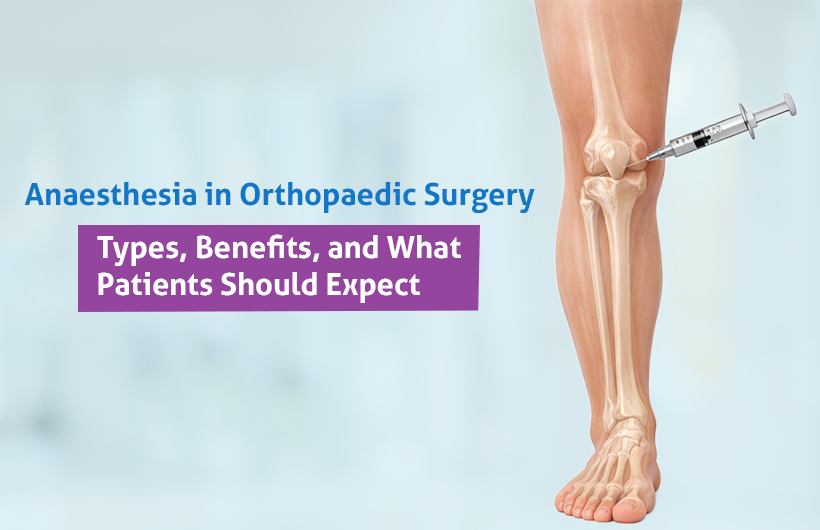
Anaesthesia plays a crucial role in ensuring a safe and pain-free orthopaedic surgery experience. Whether you are undergoing a fracture repair, joint replacement, or ligament procedure, the right anaesthesia approach is essential for comfort and successful outcomes. A skilled Orthopaedic Doctor in Ahmedabad works closely with an anaesthesia team to select the most suitable option based on your condition and overall health. Understanding how anaesthesia works can help reduce anxiety and prepare you better for your surgery.
Table of Contents
ToggleTypes of Anaesthesia in Orthopaedic Surgery
There are several types of anaesthesia used in orthopaedic procedures. The choice depends on factors such as the type of surgery, the patient’s health condition, and comfort level. The surgeon and anaesthetist work together to determine the most suitable option.
1. General Anaesthesia
General anaesthesia is typically used for major surgeries like joint replacements or spine procedures. In this method:
- The patient is completely unconscious
- No pain is felt during the surgery
- The procedure is not remembered afterward
- A breathing tube may be used to assist breathing
This type affects the entire body and is carefully monitored throughout the operation.
2. Regional Anaesthesia
Regional anaesthesia numbs a specific area of the body, such as an arm, leg, or lower half. Patients may remain awake or receive mild sedation to stay relaxed.
Common forms include:
- Spinal anaesthesia – used for lower body surgeries
- Epidural anaesthesia – often used for extended pain control
- Nerve blocks – target specific nerves for localized pain relief
It works by blocking nerve signals, preventing pain messages from reaching the brain.
3. Local Anaesthesia
Local anaesthesia is used for minor procedures and numbs only a small area of the body.
- The patient remains fully awake
- Pain is blocked in a limited region
- Commonly used for small surgical procedures or injections
4. Sedation (Monitored Anaesthesia Care)
Sedation is often combined with local or regional anaesthesia.
- Helps patients feel calm and relaxed
- May cause drowsiness or light sleep
- Reduces anxiety during the procedure
In many cases, a combination of techniques is used to ensure maximum comfort and effective pain control.
Benefits of Anaesthesia in Orthopaedic Surgery
Understanding the advantages of anaesthesia can help reduce anxiety before surgery.
1. Effective Pain Relief
The primary purpose of anaesthesia is to eliminate pain during surgery, ensuring a comfortable experience.
2. Improved Surgical Precision
Anaesthesia relaxes muscles and keeps the body still, allowing surgeons to perform procedures more accurately and safely.
3. Faster Recovery with Regional Anaesthesia
Regional techniques offer several benefits:
- Better post-operative pain control
- Reduced need for strong pain medications (opioids)
- Quicker recovery and early mobility
- Shorter hospital stays
They are also associated with fewer complications, such as nausea or breathing issues, compared to general anaesthesia.
4. Reduced Side Effects
Regional anaesthesia often:
- Causes less nausea and vomiting
- Places less stress on the heart and lungs
- Lowers the risk of certain complications like blood clots
5. Enhanced Patient Comfort
Modern anaesthesia techniques, along with sedation, help patients remain relaxed and stress-free throughout the procedure.
What to Expect Before, During, and After Anaesthesia
Many patients feel anxious due to uncertainty about anaesthesia. Knowing what to expect can help ease concerns.
Before Surgery
- You will meet the anaesthetist
- Your medical history and allergies will be reviewed
- Tests or fitness evaluations may be conducted
- You may be asked to fast for a few hours
The doctor will explain the most suitable anaesthesia option for your case.
During Surgery
- General anaesthesia: You will be fully unconscious
- Regional anaesthesia: You may be awake but pain-free
- Sedation: You will feel relaxed or drowsy
Vital signs such as heart rate, blood pressure, and oxygen levels are continuously monitored.
After Surgery
- You may feel sleepy or tired initially
- Mild nausea or dizziness can occur
- Pain relief medications will be provided
With regional anaesthesia, pain relief may continue even after surgery, supporting smoother recovery. Most patients recover within a few hours, although full recovery may take up to a day depending on the type used.
Which Type of Anaesthesia Is Best?
There is no single best option for everyone. The choice depends on:
- Type and duration of surgery
- Patient’s age and health condition
- Recommendations of the medical team
- Patient preference
For example:
- Major surgeries often require general anaesthesia
- Limb surgeries commonly use regional anaesthesia
- Minor procedures typically need only local anaesthesia
Are There Any Risks?
Anaesthesia today is very safe, but like any medical procedure, it carries some risks.
Common temporary side effects:
- Nausea or vomiting
- Sore throat (after general anaesthesia)
- Drowsiness or confusion
Rare complications:
- Allergic reactions
- Breathing difficulties
- Nerve injury (very rare in regional anaesthesia)
Medical teams take all necessary precautions to minimize these risks.
When Should You Speak to Your Doctor?
You should discuss anaesthesia with your doctor if you:
- Have had previous reactions to anaesthesia
- Have heart, lung, or kidney conditions
- Take regular medications
- Feel anxious about surgery
Clear communication ensures a safer and more comfortable experience.
Final Thoughts
Anaesthesia plays a key role in making orthopaedic surgeries safe, comfortable, and pain-free. With advanced options such as general, regional, and local anaesthesia, treatment can be tailored to meet each patient’s specific needs. A skilled orthopedic surgeon, Ahmedabad ensures the right anaesthesia approach is chosen for the best possible outcome.
Understanding the types and benefits of anaesthesia helps patients feel more confident and prepared for surgery. With modern advancements, orthopaedic procedures now offer faster recovery, improved safety, and a more comfortable overall experience.