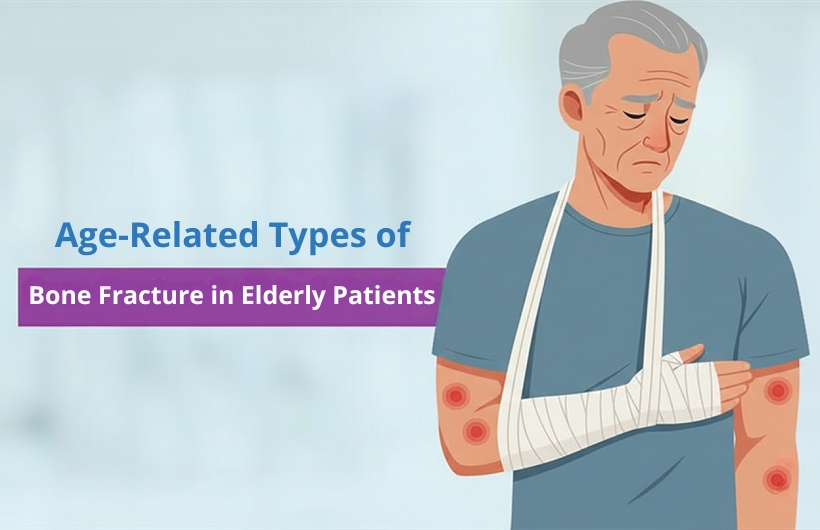
Bone fractures are a common health concern, especially among older adults. As we age, our bones naturally become weaker. This makes elderly people more susceptible to different types of bone fractures, even with minor falls or injuries. If you or your loved ones are experiencing bone pain, loss of mobility, or have suffered a fall, understanding these fractures is essential to get the right care quickly. Consulting a Bone Fracture doctor in Ahmedabad can ensure proper diagnosis and treatment before complications arise.
In this blog, we will discuss the most common age-related fractures in elderly patients, how they happen, symptoms to watch for, and when to see an Orthopaedic Doctor in Ahmedabad, like Dr. Hardik Padhiyar, for specialised care.
Table of Contents
ToggleWhat Causes Bone Fractures in Elderly Patients?
With ageing, bones lose density and strength, a condition known as osteoporosis. This reduces the bone’s ability to withstand stress or impact. Causes include:
- Weakened bone structure due to osteoporosis
- Reduced muscle strength and balance
- Falls from standing height
- Chronic medical conditions
- Medication side effects that affect bone health
These factors make older adults more prone to fractures, even from everyday activities.
What Are the Common Types of Bone Fracture in the Elderly?
Here are the most frequently seen fractures in older adults:
1. Hip Fractures
Hip fractures are one of the most serious injuries among older adults and often happen after a fall.
Symptoms:
- Severe pain in the hip or groin
- Inability to stand or walk
- Swelling or bruising
Hip fractures require urgent medical attention. Early treatment by a Bone Fracture doctor in Ahmedabad can prevent complications like infections or mobility loss. Dr. Hardik Padhiyar often treats hip fractures with surgical and non-surgical options depending on the patient’s condition.
2. Vertebral (Spinal) Fractures
These fractures occur in the spine and may not always be caused by a fall. Sometimes, simple bending or lifting can cause the vertebrae to crack if the bones are fragile.
Symptoms:
- Back pain
- Loss of height over time
- Curved posture (kyphosis)
- Numbness or tingling if nerves are affected
Vertebral fractures can lead to chronic pain and posture issues. Early diagnosis by an Orthopedic Doctor in Ahmedabad helps manage pain and prevent further bone weakening.
3. Wrist Fractures (Distal Radius Fractures)
When older adults try to break a fall with their hands, the wrist often bears the impact first. As a result, wrist fractures are common.
Symptoms:
- Pain and swelling in the wrist
- Difficulty moving the wrist or hand
- Deformity (bone sticking out or bent)
This fracture significantly affects everyday activities like eating or dressing. Quick assessment and treatment by a bone specialist are important for proper healing.
4. Pelvic Fractures
Pelvic fractures in the elderly are serious and often result from a high-impact fall.
Symptoms:
- Pain in the hip, groin, or lower back
- Difficulty walking
- Numbness or bruising
Pelvic fractures may require hospitalisation, pain management, and physical therapy for recovery. Consult a Bone specialist near you immediately if these symptoms appear.
5. Shoulder and Arm Fractures
Older adults may break their shoulder or upper arm (humerus) when they fall on an outstretched arm.
Symptoms:
- Severe shoulder pain
- Swelling and bruising
- Limited arm movement
Although not life-threatening, these fractures can severely limit daily tasks and need proper orthopaedic care.
How Are Bone Fractures Diagnosed?
Diagnosis begins with a detailed physical exam and medical history. Your doctor will typically recommend:
- X-rays: To view bone alignment and find fractures
- MRI/CT scans: For complex or less visible fractures
- Bone density test: To check for osteoporosis
Accurate diagnosis helps determine the best treatment plan supervised by a qualified Bone Fracture doctor in Ahmedabad.
What Are the Treatment Options for Elderly Fractures?
Treatment depends on fracture type, location, and severity. The main goals are pain relief, proper bone healing, and regaining mobility.
1. Non-Surgical Treatment
- Casting or splinting for stable, simple fractures
- Medications for pain control
- Physical therapy for strength and balance
2. Surgical Treatment
Surgery may be needed for:
- Severe fractures
- Fractures that don’t heal on their own
- Fractures causing nerve or blood vessel damage
Orthopaedic surgeons like Dr. Hardik Padhiyar use modern techniques such as plates, screws, or rods to stabilise the bone.
What Are the Risk Factors for Fractures in the Elderly?
Certain conditions increase the risk of fractures:
- Osteoporosis and low bone mass
- Poor vision
- Balance problems
- Medications that cause dizziness
- Vitamin D and calcium deficiency
- Previous fractures
Managing these risk factors under the guidance of an Orthopedic Doctor in Ahmedabad can help reduce fracture risk.
How Can Bone Fractures Be Prevented in Elderly Patients?
Prevention is the first step to reducing fractures:
Improve Bone Health
- Eat calcium-rich foods (milk, yoghurt, leafy greens)
- Include vitamin D through sunlight exposure or supplements
Regular Exercise
- Weight-bearing and balance exercises improve strength and reduce falls
Home Safety
- Remove loose rugs
- Add night lights
- Install handrails in bathrooms and stairways
Bone Health Check-ups
Routine check-ups with a Bone specialist near you can help monitor bone density and prevent serious injuries.
When Should You See a Doctor?
You should consult a doctor if you notice:
- Severe pain after a fall
- Inability to move a limb
- Swelling, bruising, or deformity
- Numbness or tingling near an injured area
- Persistent back or hip pain
Quick medical attention leads to faster healing and fewer complications.
Conclusion
As the body ages, the risk of bone fractures increases due to weaker bones and reduced strength. Knowing the types of bone fractures that commonly affect elderly patients can help you identify issues early and seek proper treatment. Fractures like hip, vertebral, wrist, pelvic, and shoulder fractures are most common in older adults and can significantly impact quality of life if not treated properly.
If you are looking for the right care, choose an experienced Bone Fracture doctor in Ahmedabad who understands the unique needs of elderly patients. With expert diagnosis, personalised treatment plans, and rehabilitation, doctors like Hardik Padhiyar help elderly patients regain strength, mobility, and confidence.
For bone pain or injury, don’t wait for early care leads to better outcomes. Schedule a consultation with a trusted Orthopaedic Doctor in Ahmedabad and take the first step toward stronger, healthier bones.